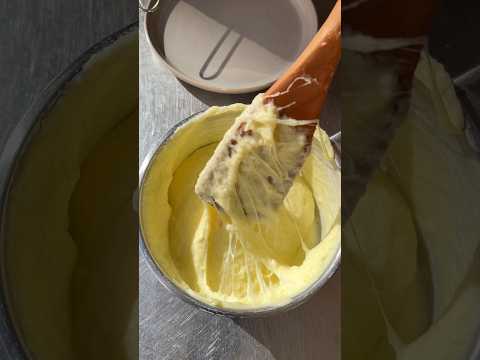

Aligot Recipe
Hey, my fellow food lovers! Today, I’m diving into the story of Aligot, a dish from the heart of France’s Aubrac region that’s so much more than mashed potatoes and cheese—it’s pure culinary magic. This creamy, stretchy masterpiece has me dreaming of visiting the Aubrac plateau and, one day, maybe even hosting my own Aligot festival! Let’s explore its history, traditions, and why I’m so excited to share this dish with you on my channel.
The Story of Aligot: Food for Pilgrims and the Soul
Aligot comes from the Aubrac region in Aveyron, France, where rolling pastures are home to Aubrac cows. Their milk, with its nutty, hazelnut-like flavor, is transformed into Tomme de Laguiole, the star ingredient of authentic Aligot. Legend has it that in the Middle Ages, monks prepared this dish for weary pilgrims walking the Camino de Santiago. Back then, Aligot was made with bread instead of potatoes, as spuds didn’t reach France until the 16th century. The monks would blend bread with local cheese to create a hearty, warming meal, supposedly calling out “alle cuite” (“all cooked!”) to summon pilgrims to the table—possibly the origin of the name Aligot. Another charming tale calls it “angel’s food” for its ability to restore strength and comfort.
When potatoes arrived in Europe, they replaced bread, turning Aligot into the velvety, stretchy dish we know today. It’s now a symbol of Aubrac’s hospitality, served with Toulouse sausages, roasted meats, and a glass of bold Auvergne red wine. I can’t wait to experience this tradition firsthand!
The Aligot Festival: My Culinary Dream
My ultimate foodie dream is to attend the Fête de la Transhumance on the Aubrac plateau, held every late May or early June. This vibrant festival celebrates the traditional cattle drive, where Aubrac cows—the heroes behind Aligot’s cheese—take center stage. Chefs set up massive cauldrons on the streets, stirring Aligot with giant wooden spoons and pulling long, mesmerizing ribbons of cheese that make everyone’s mouth water. You can also sample local cheeses, wines, and other delicacies. Sometimes, in Laguiole, they hold a Fête de l’Aligot, where cooks compete to create the stretchiest, most delicious Aligot. I’m already imagining myself there, plate in hand, filming every gooey moment for you all! 😍
And here’s the big one: I’m so inspired that I hope to organize my own Aligot festival someday—maybe even bring it to our corner of the world! Picture us pulling cheesy strands, laughing, and sharing recipes together. Doesn’t that sound amazing?
What Aligot Is Served With and Its Traditions Aligot isn’t just a side dish; it’s the star of the table, served with love and flair.
In Aubrac, you’ll find it paired with:
• Toulouse sausages—juicy and flavorful, they’re the perfect match for Aligot’s creamy texture.
• Roasted pork or beef—crispy, savory meat adds a delightful contrast.
• Sautéed mushrooms or stewed veggies—for a lighter, rustic touch.
• Auvergne red wine—its bold flavor balances the richness of the cheese.